




Characters
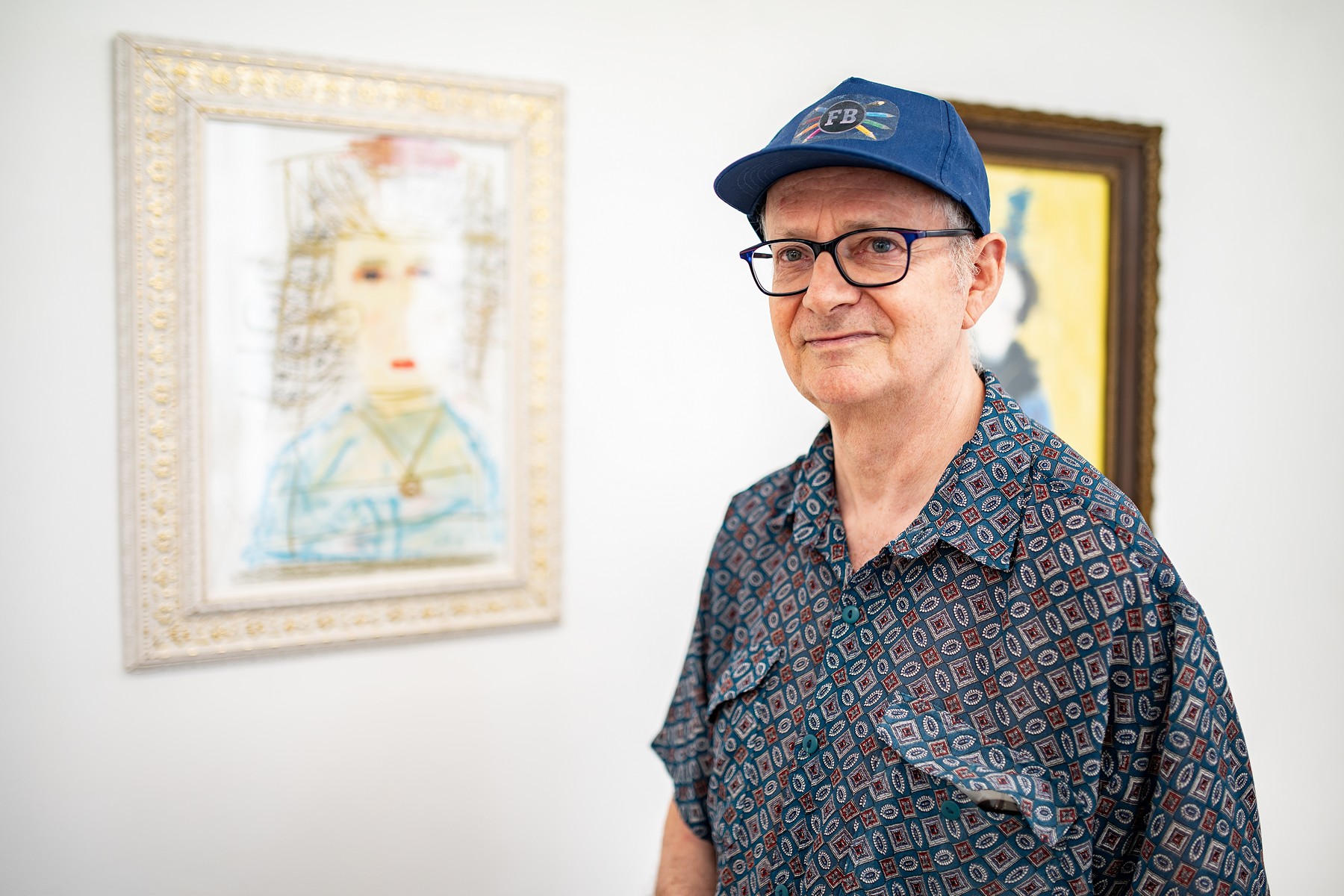
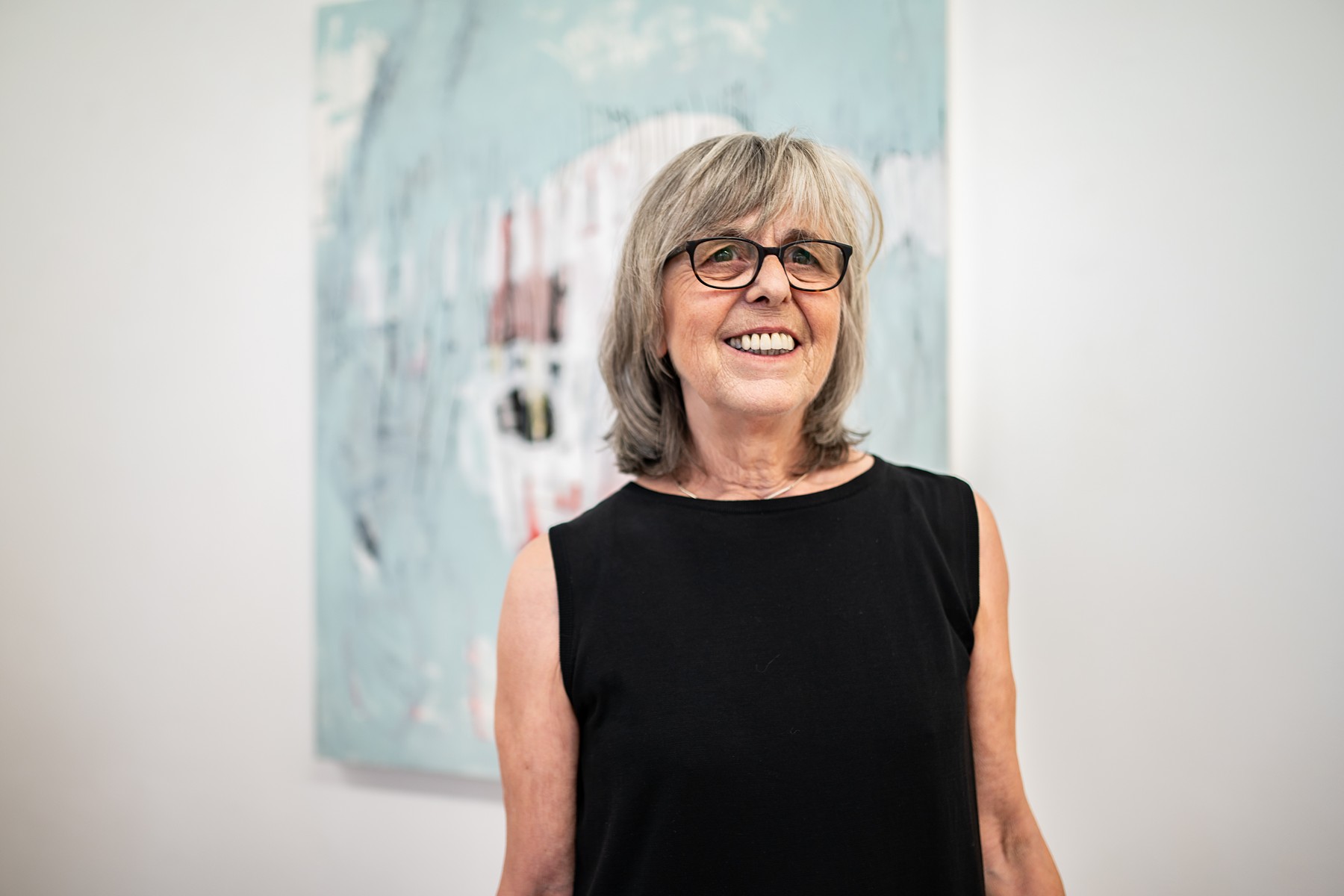
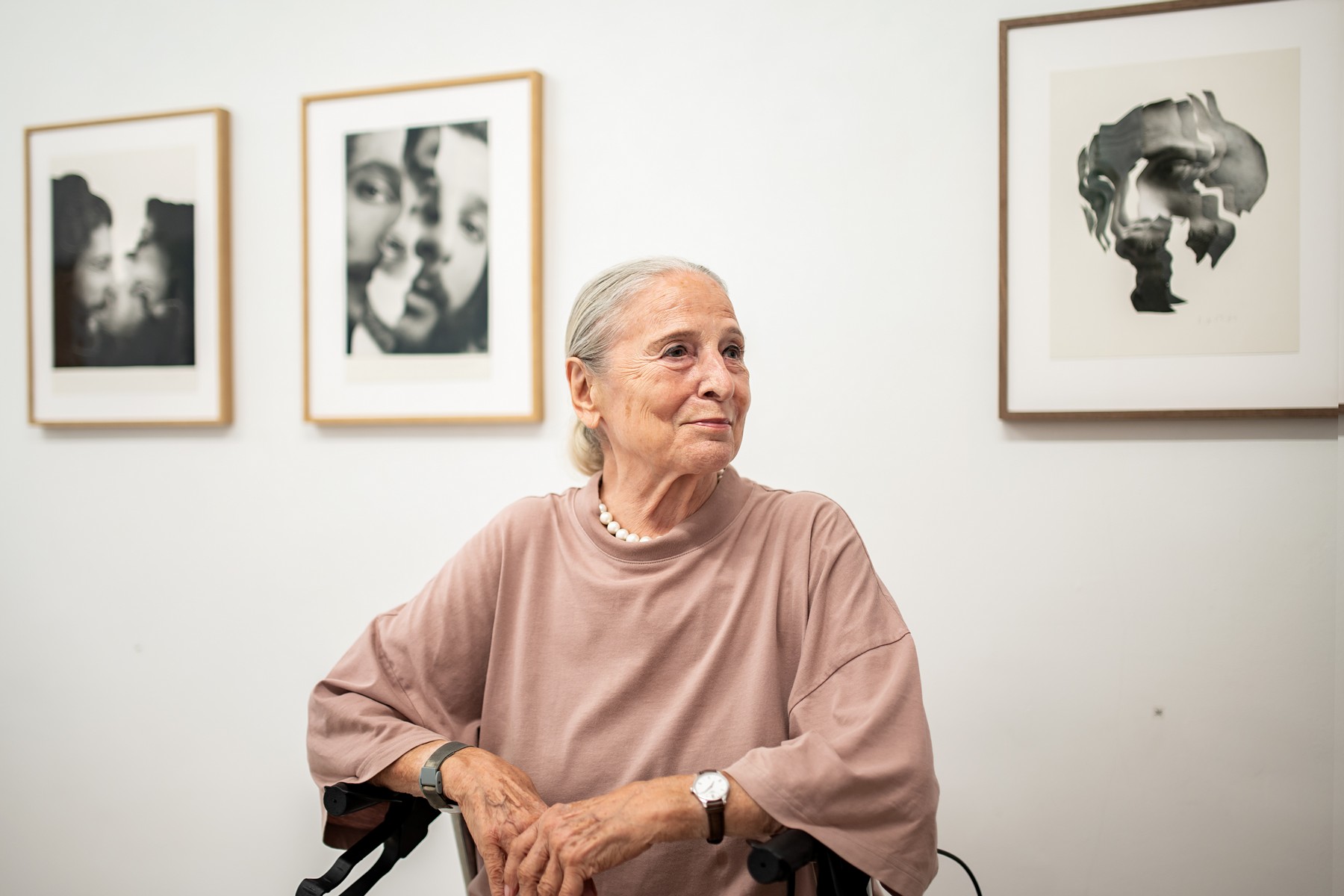
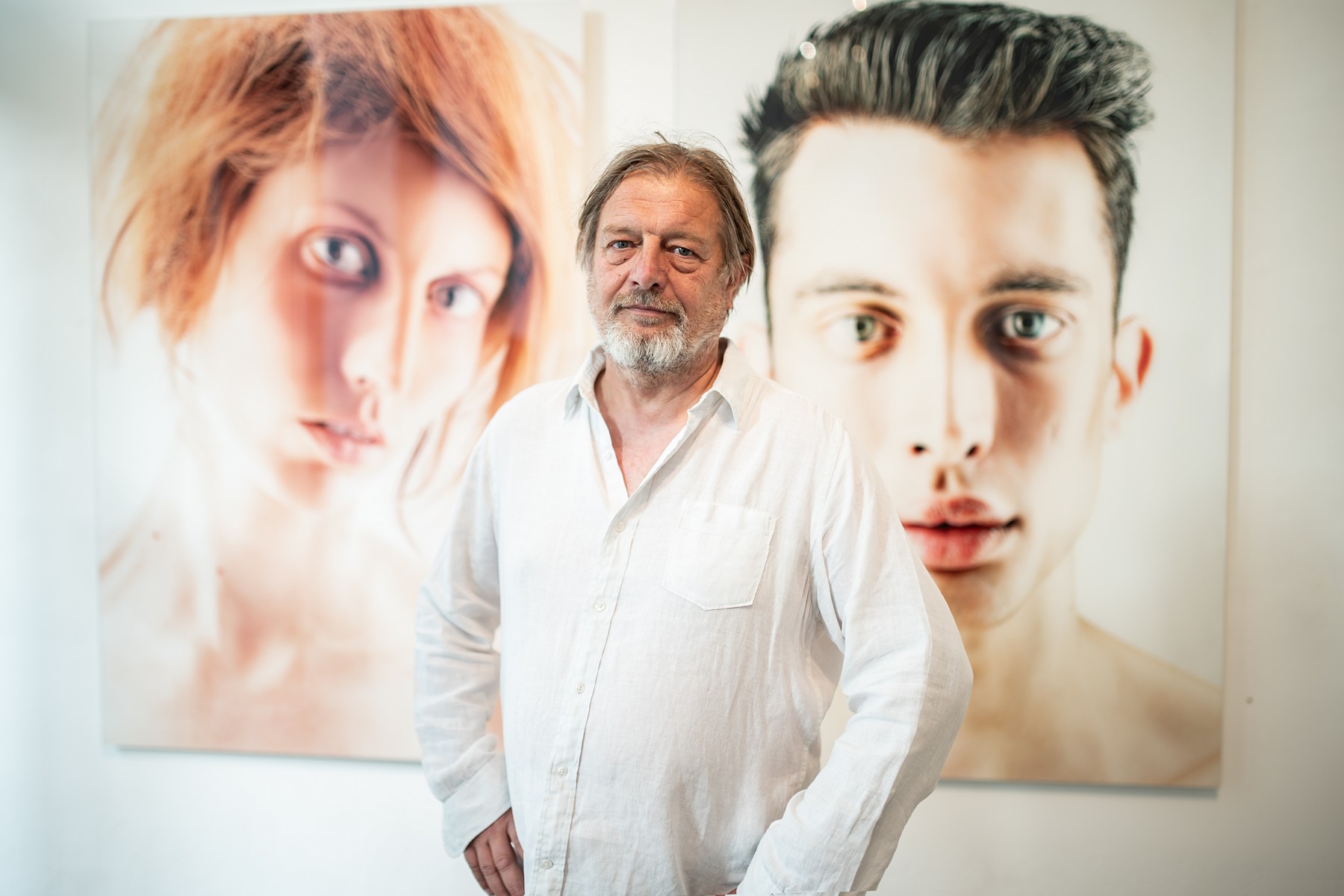
Walter Angerer-Niketa
Franz Blaas
Wilhelm Drach
Judith P. Fischer
Ingeborg G. Pluhar
Roland Goeschl
Andrea Pernegr
Robert Staudinger
Emil Toman
on view: 2/06/2026 - 27/08/2026
summer-break: 27/07/2026 - 09/08/2026
summer-break: 27/07/2026 - 09/08/2026
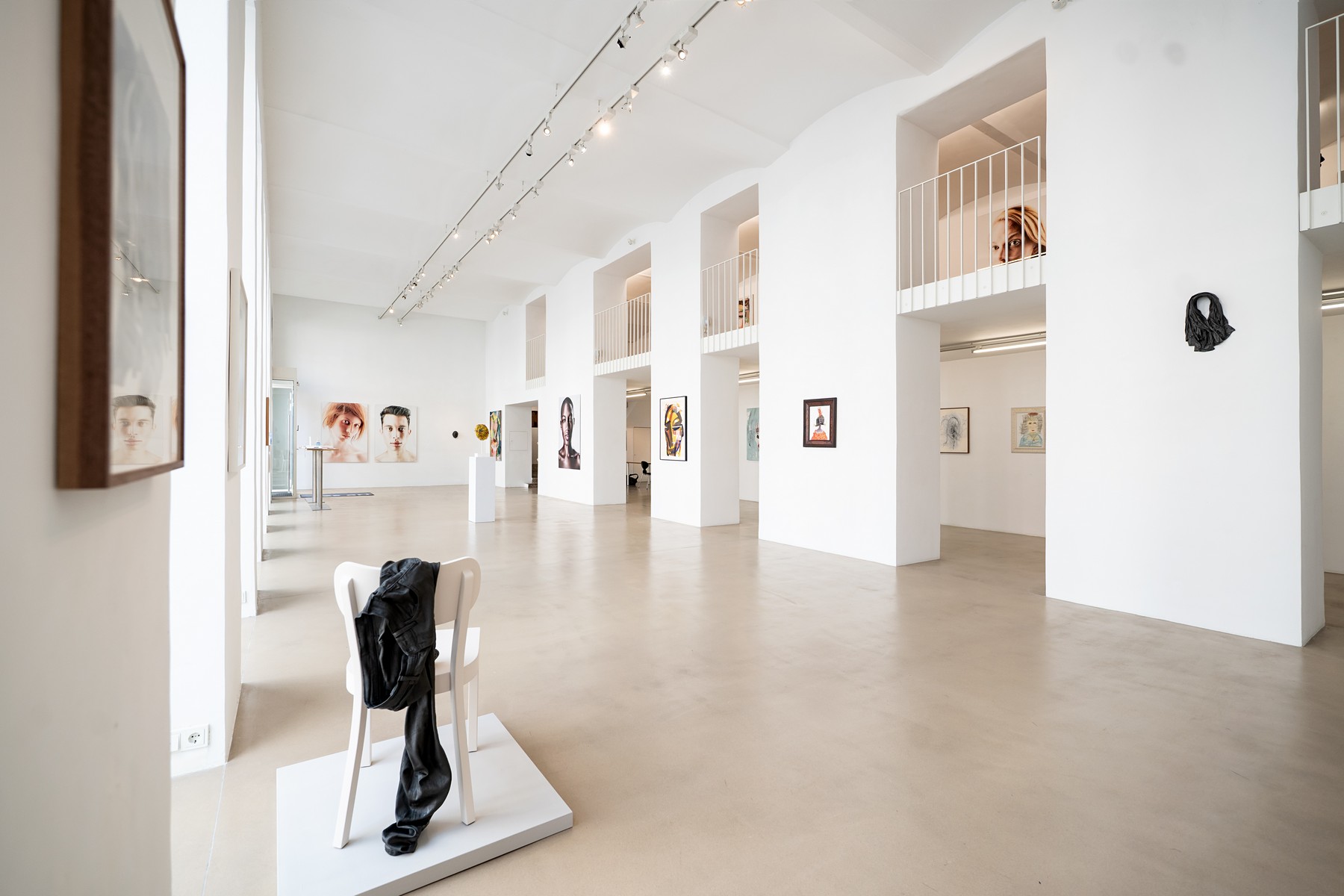
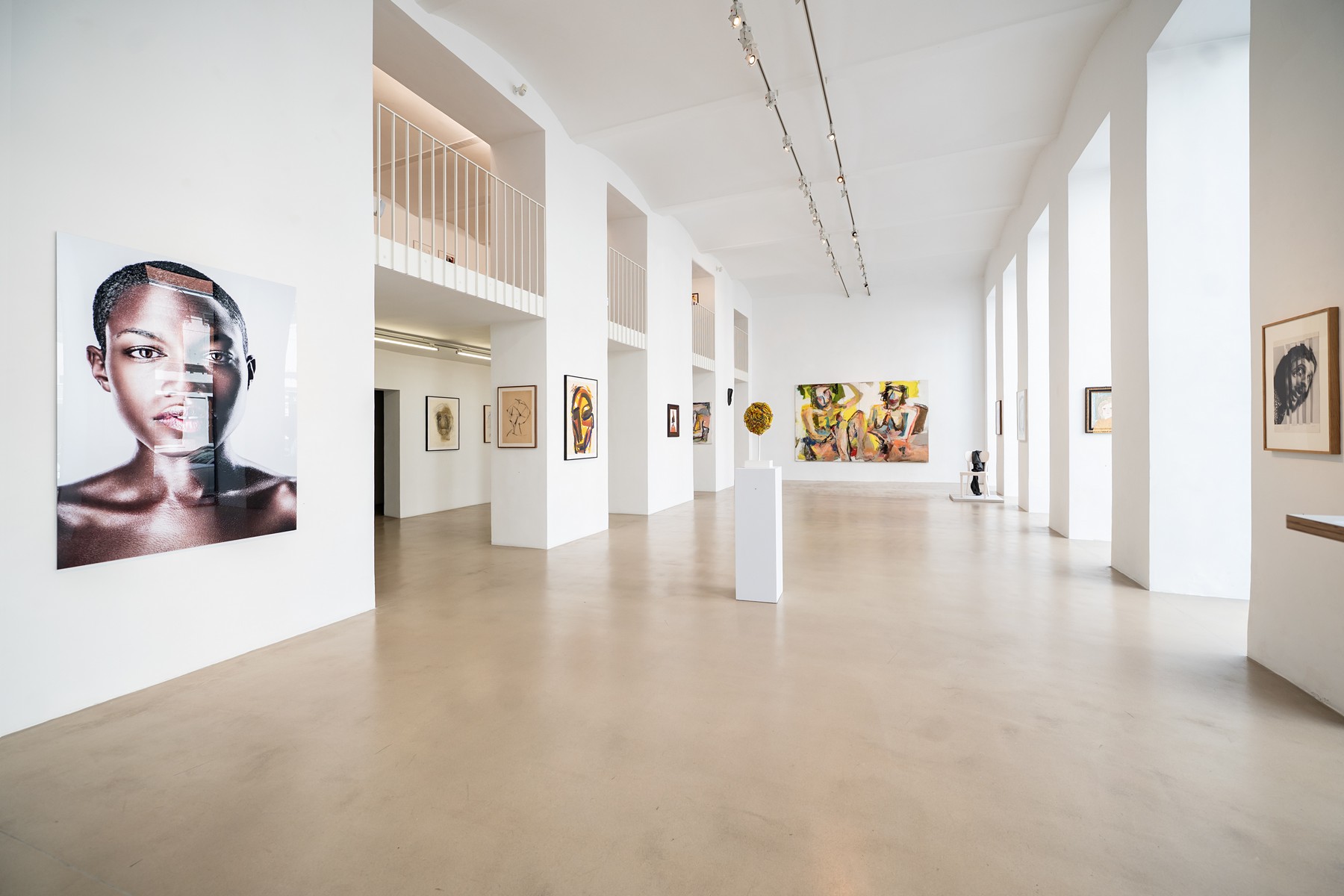
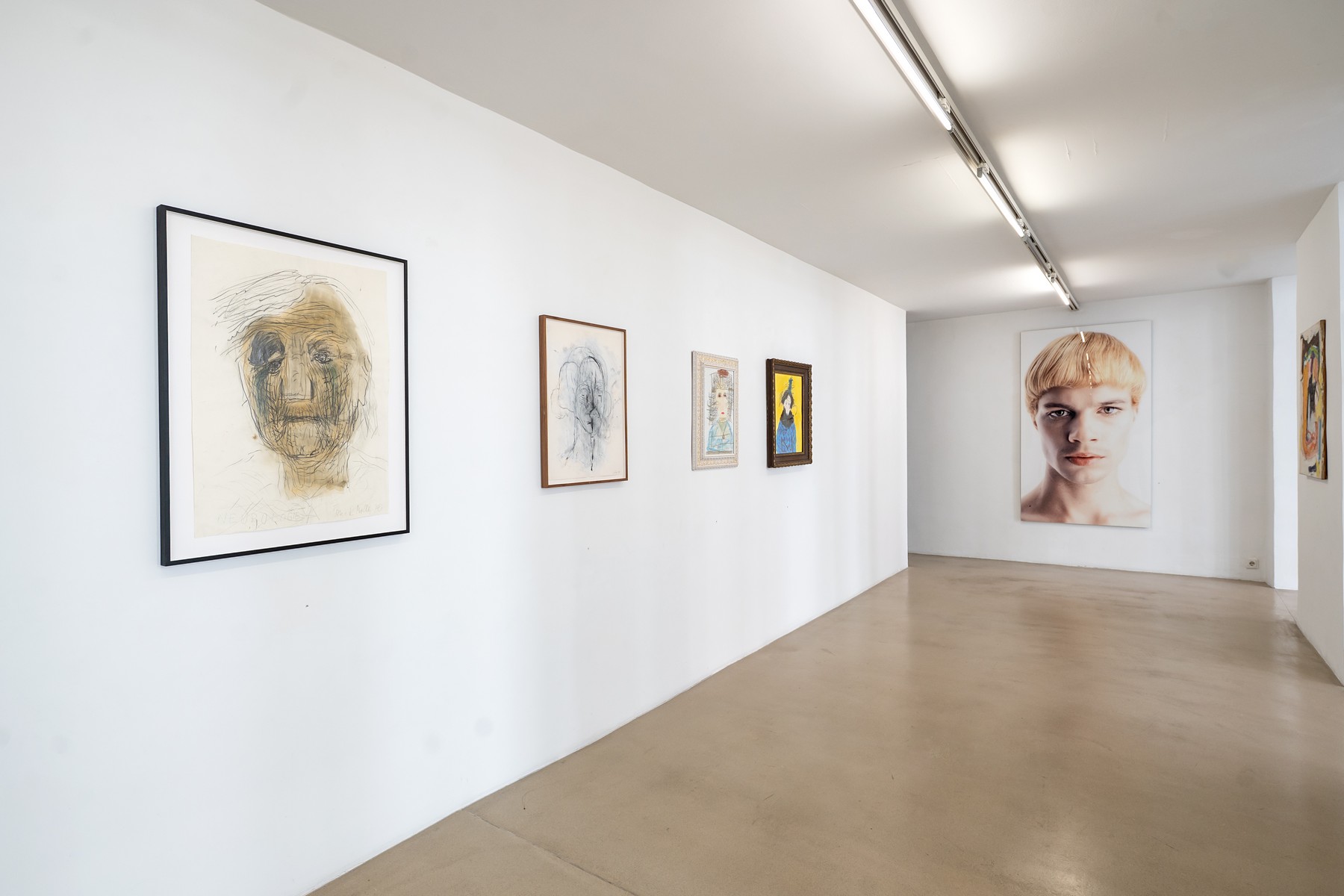
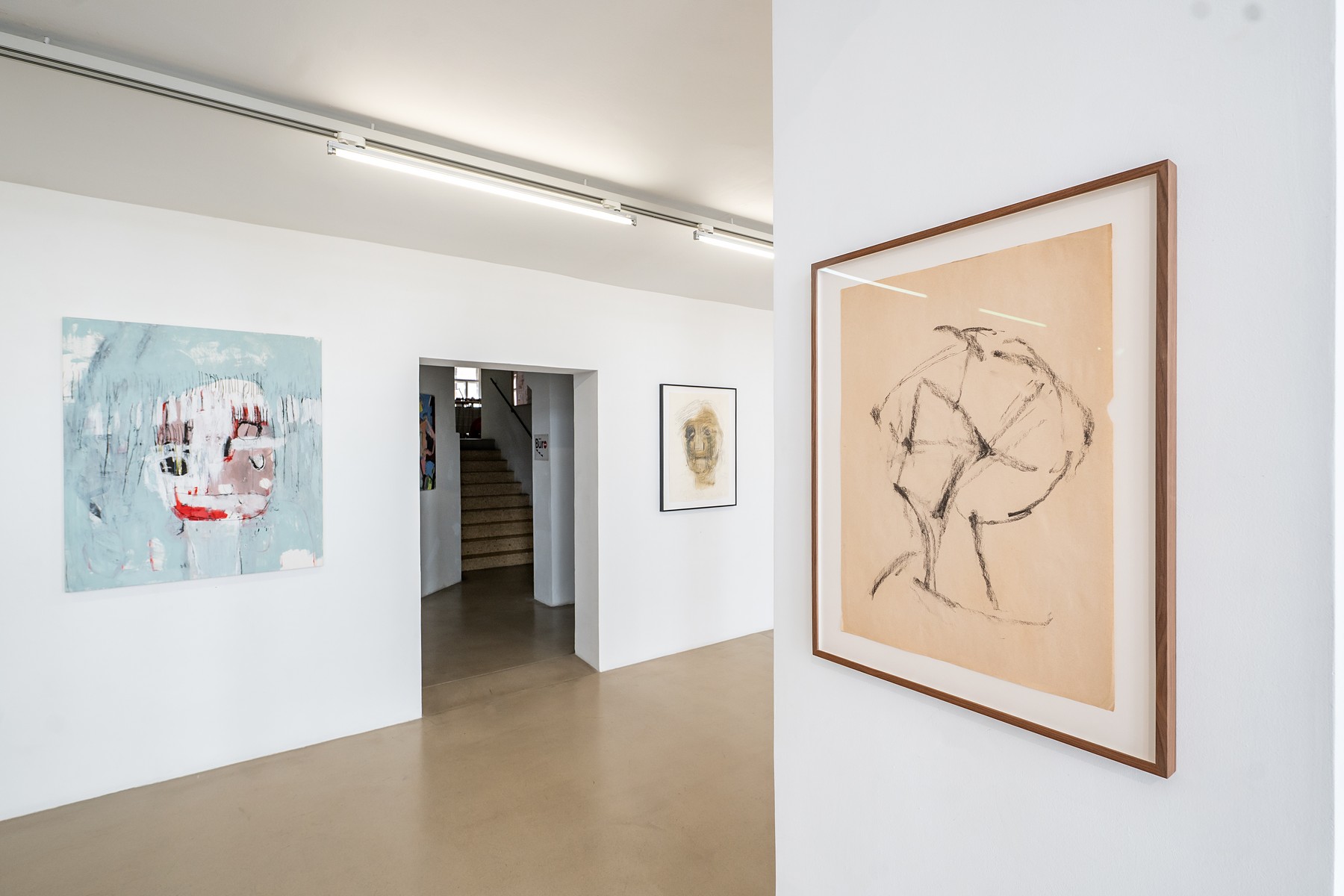
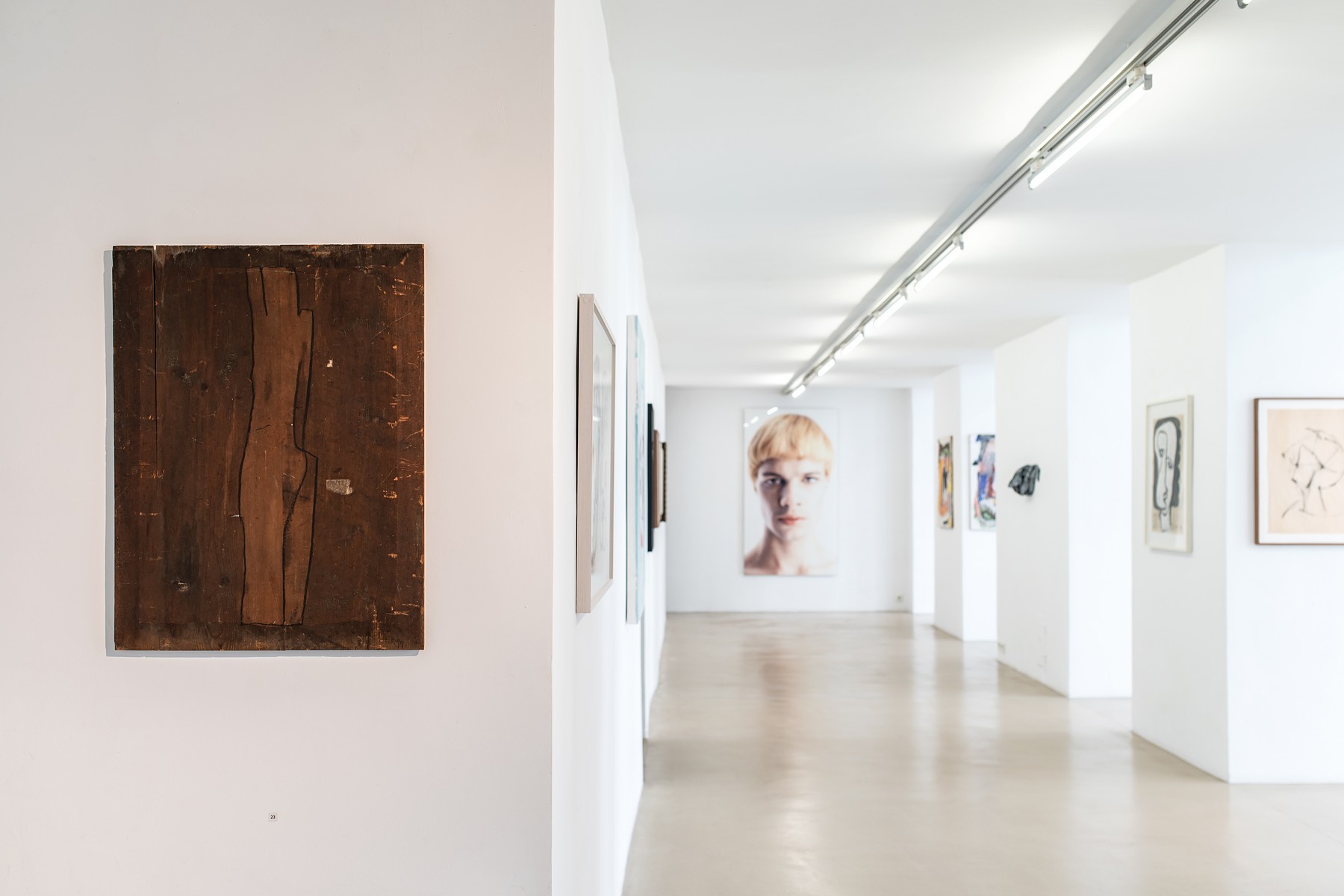
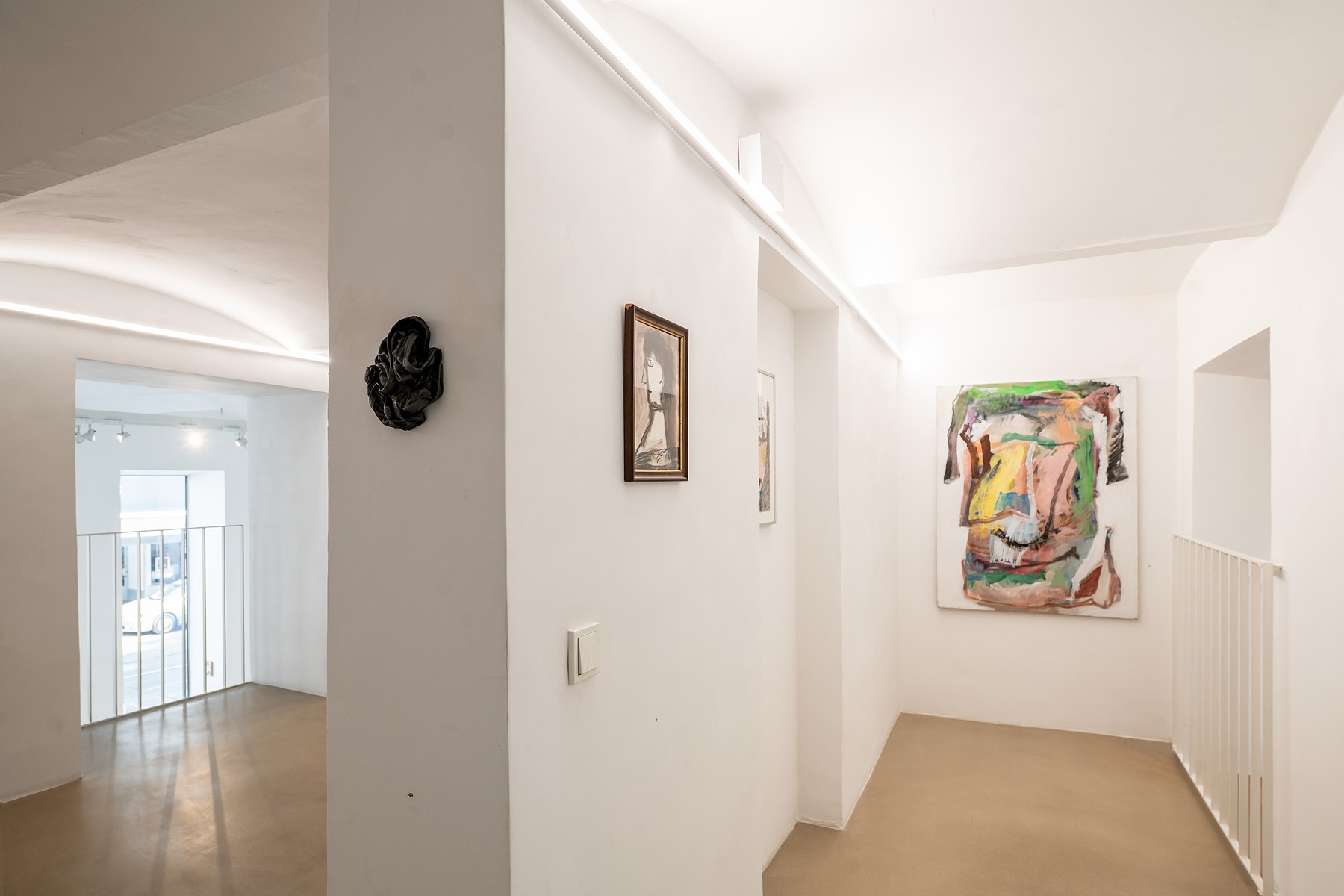
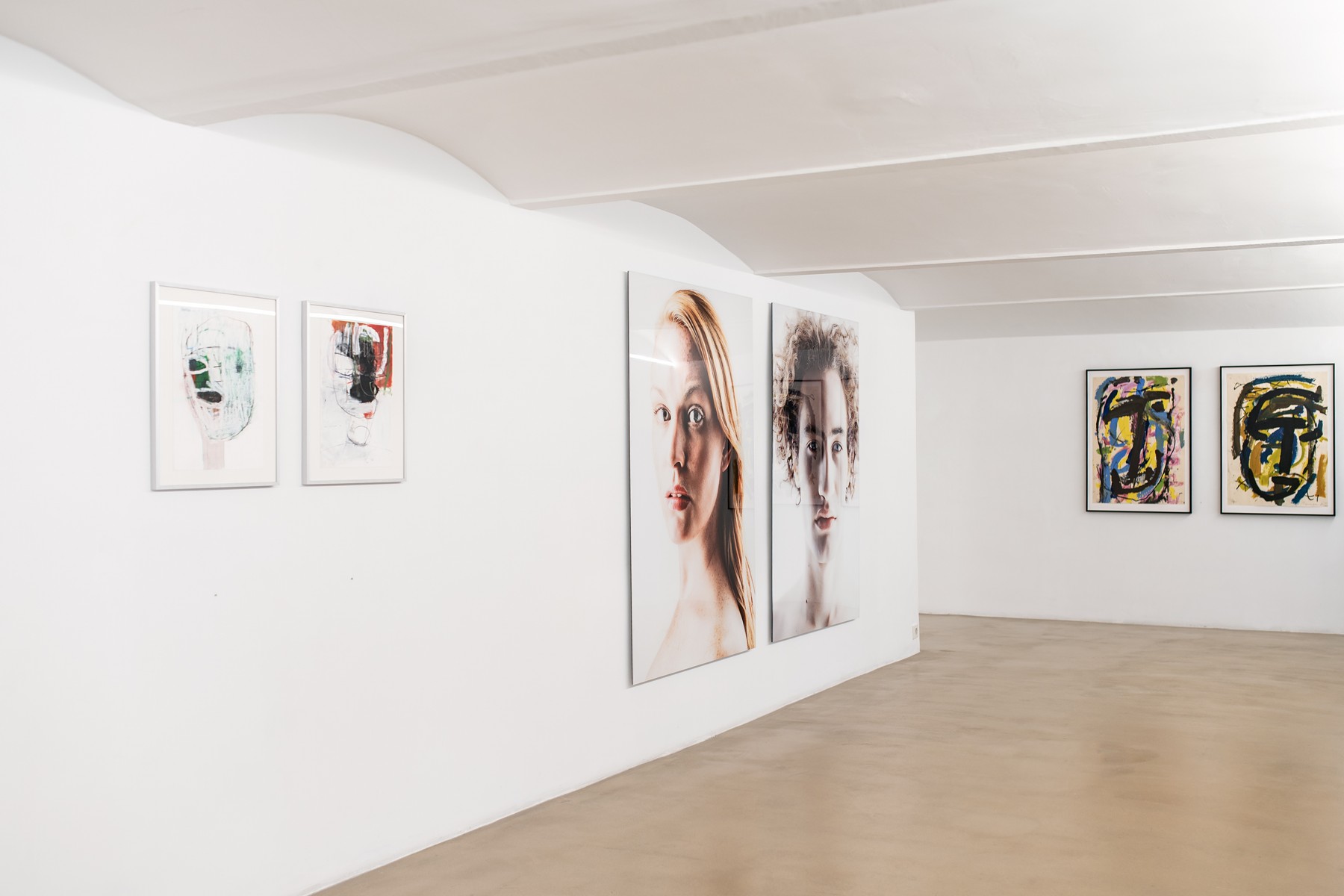
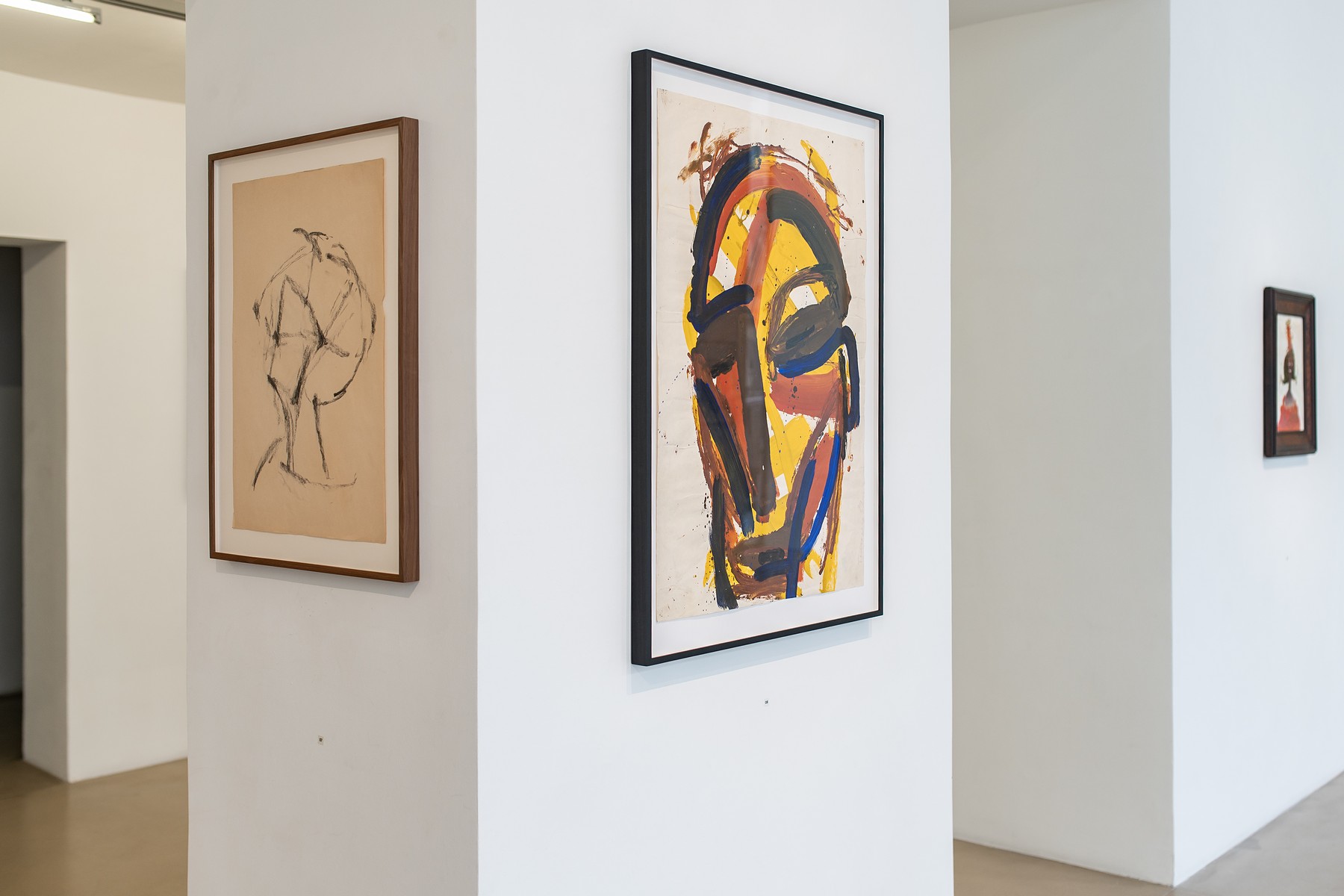
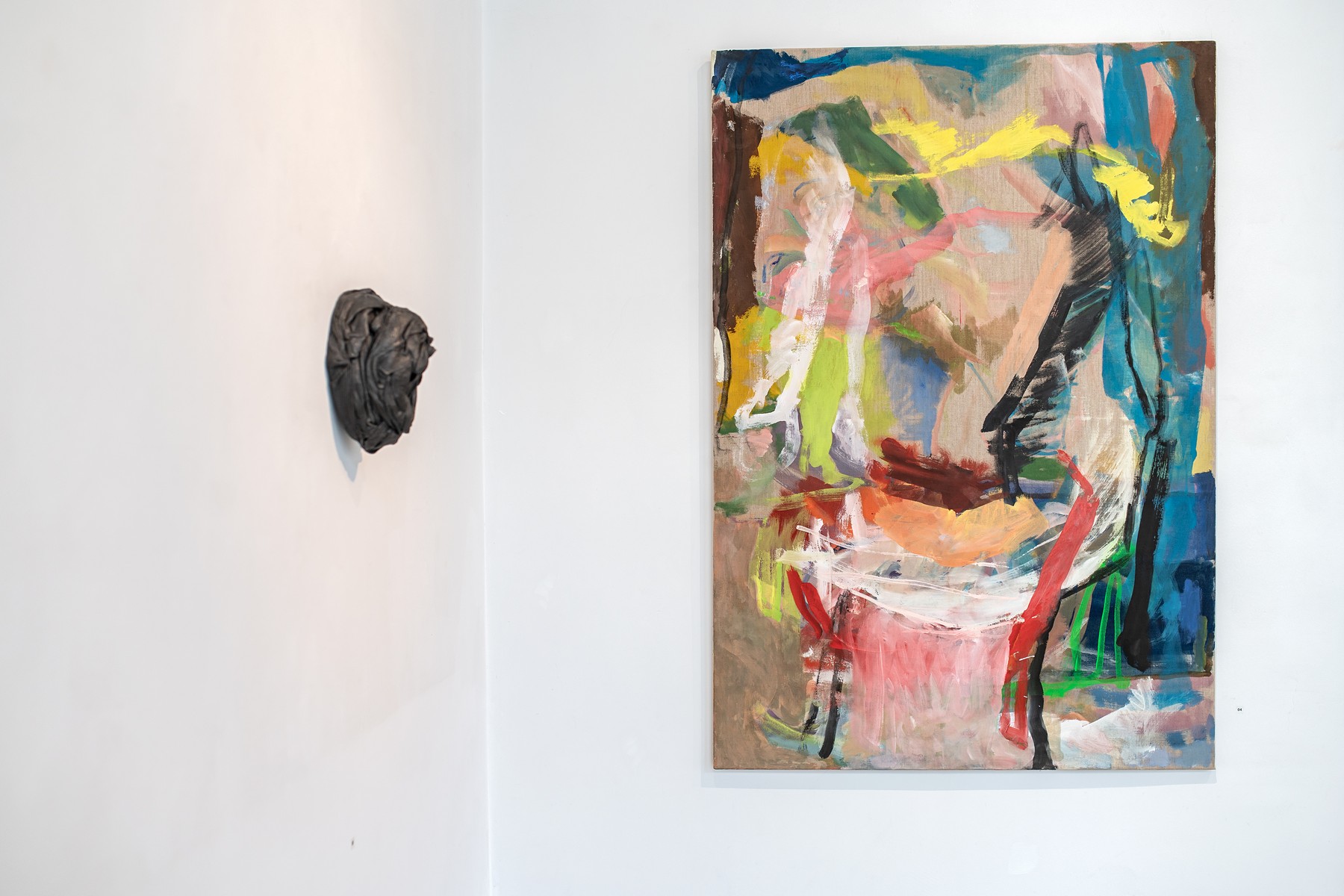
"Characters" presents not portraits in the conventional sense, but interpretations of individuality.
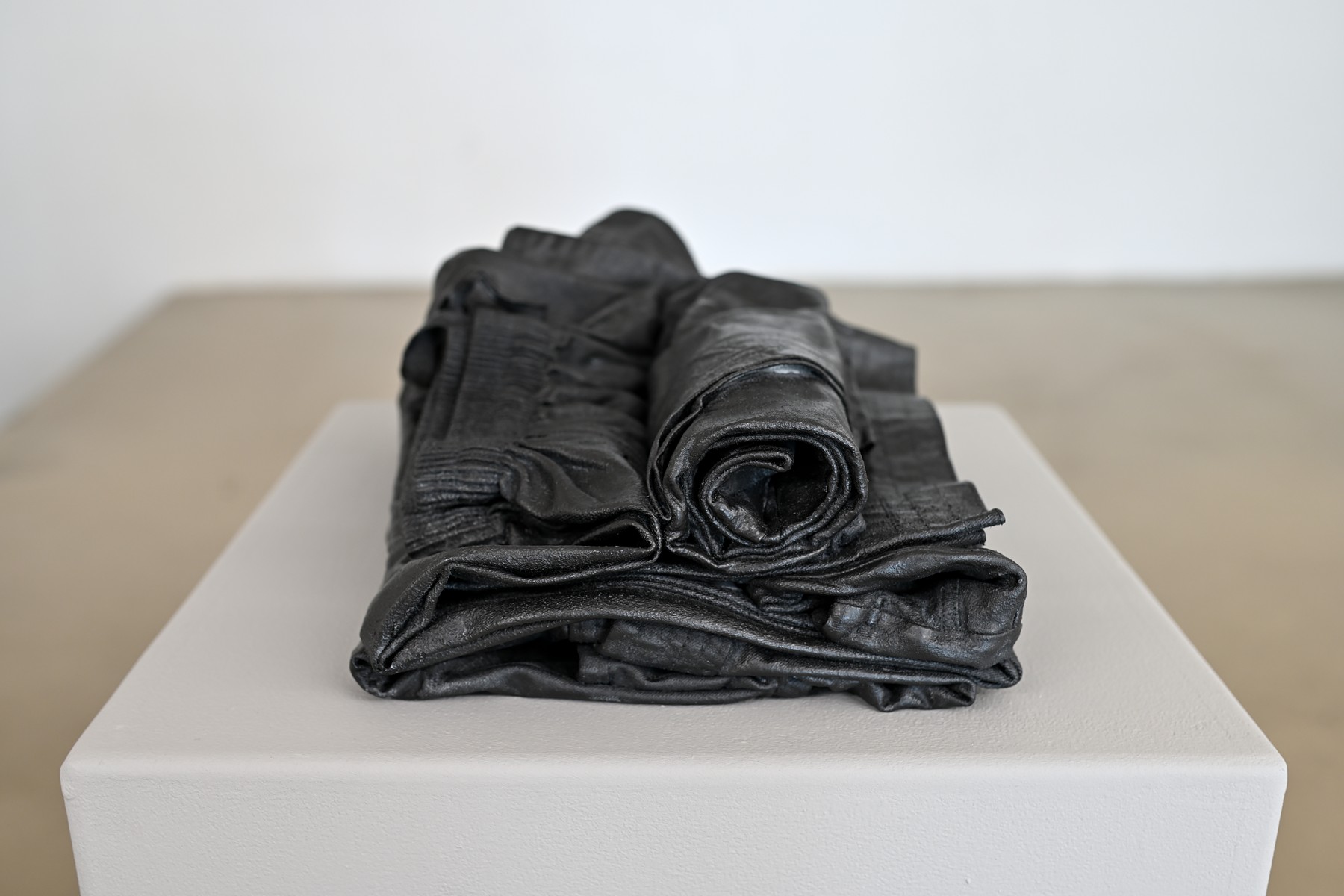
Sculptor Walter Angerer-Niketa approaches his figures through reduction, abstraction, and deconstruction. Condensed to their essential minimum, they emerge as studies — a network of dynamic lines that seem to dissolve across the surface of the paper.
With only a few lines, Franz Blaas evokes distinct characters and emotional states. His spontaneous compositions balance a purist sense of immediacy with the elegant aura of ceremonial grandeur.
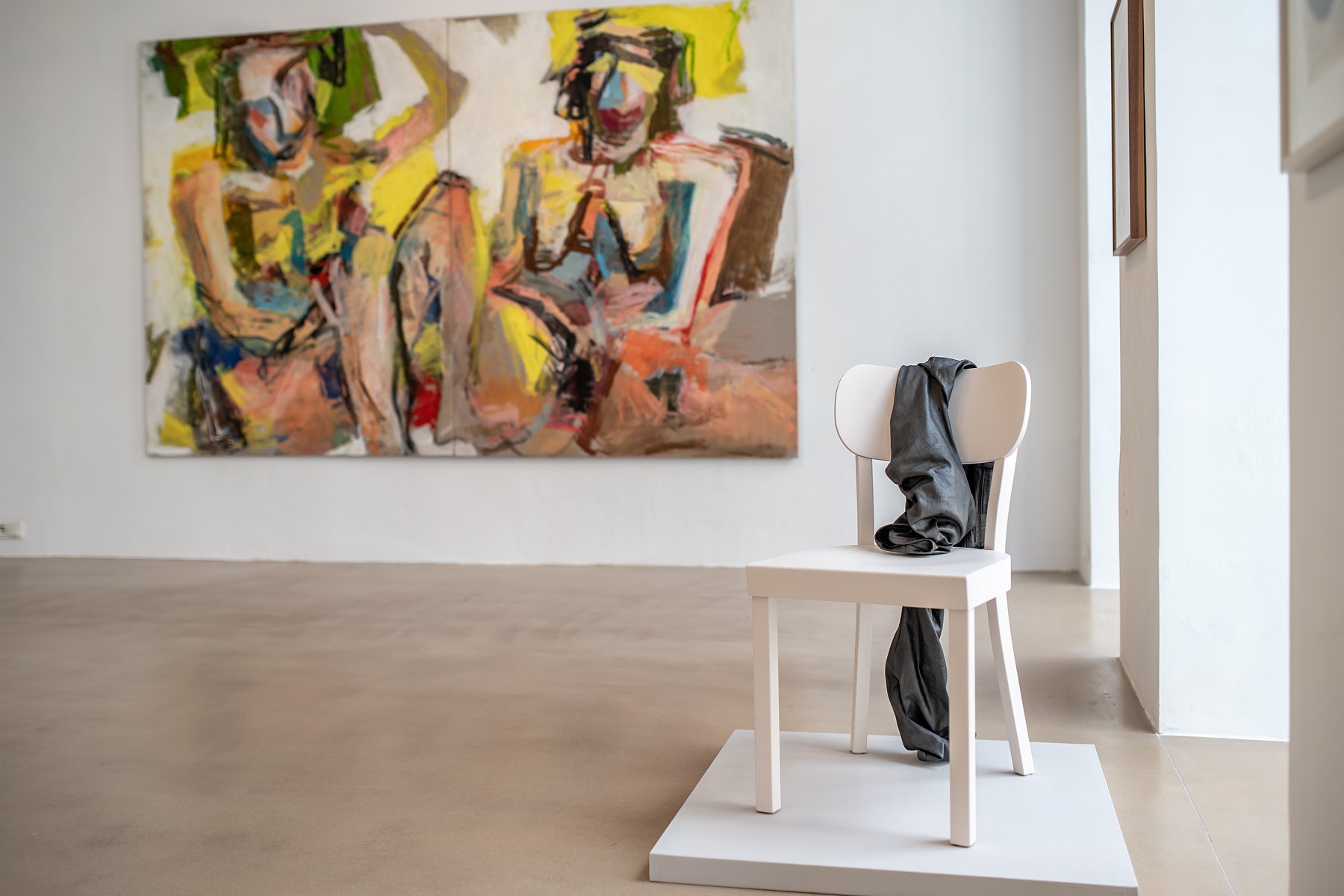
Wilhelm Drach’s work unfolds as a meditative dialogue with the canvas. Through colour, planes, and decisive brushwork, he shapes his visions into landscapes, figures, and characters. Beginning with reality, he transforms it into a highly personal form of expressive abstraction.
Judith P. Fischer’s "Family Constellation" encourages reflection on ancestry, family ties, and personal conflict. Family may be nurturing and reassuring, yet equally demanding, turbulent, and complex. Her works illuminate the emotional tensions and connections that define human relationships.
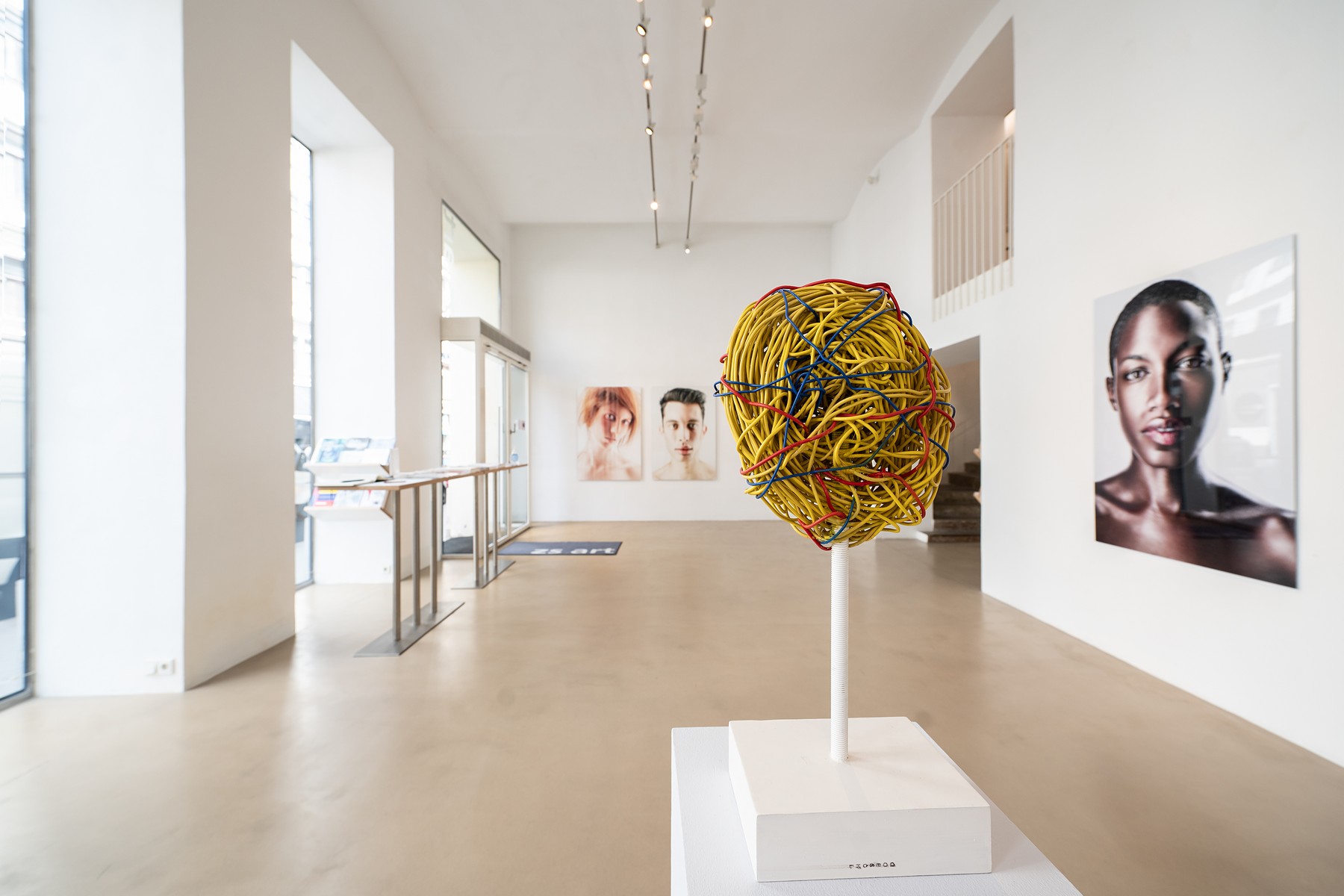
Represented by a single work in this exhibition, Roland Goeschl offers a compelling reflection on identity and connectivity. His Self-Portrait Without Skin, a delicate mesh of electrical wires, originates from a period in which he was deeply engaged with questions of global interconnectedness and transparency.
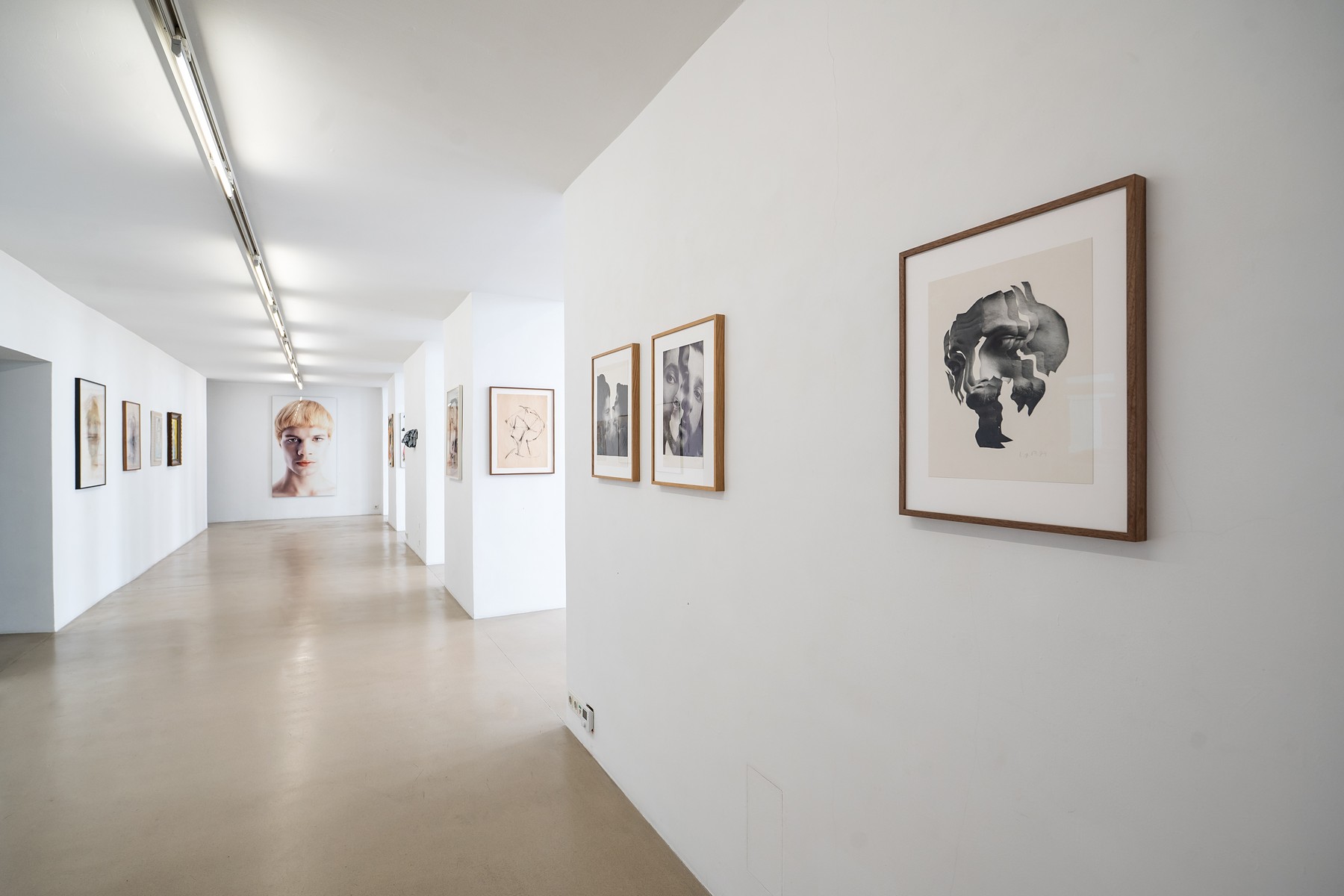
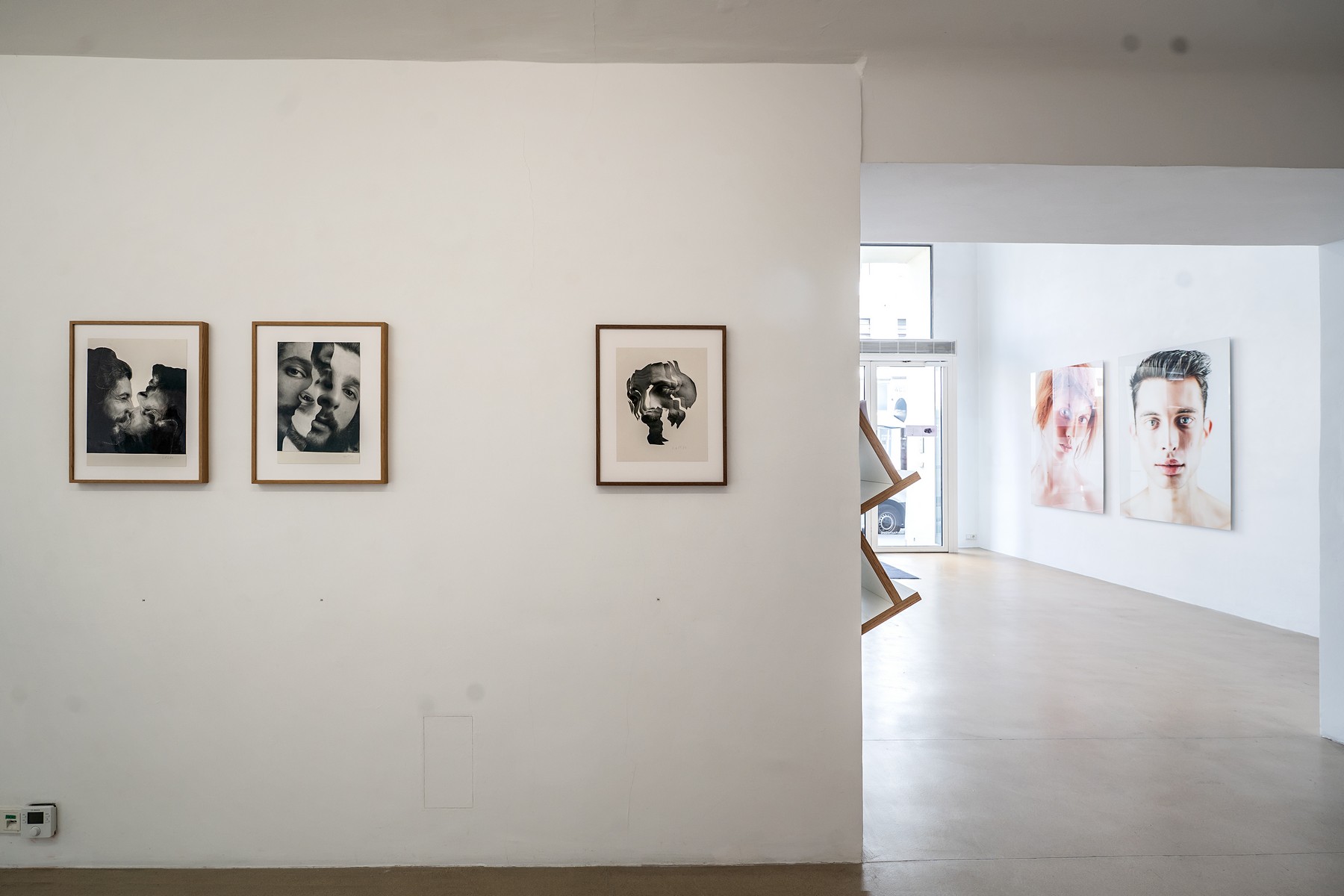
Ingeborg G. Pluhar’s work reveals nuanced reflections on mass culture and its imagery. Her series are rooted in her immediate environment, drawing inspiration from people close to her, such as André Heller, partner of her sister. Through the processes of cutting, deconstructing, and reassembling images, she interrogates the cultural climate of her era and creates a distinctive visual language informed by the feminist concerns of the 1970s.
Andrea Pernegr’s character landscapes emerge from her desire to give form to her imagined figures in a manner that is both comprehensive and metaphorical. These facial landscapes unfold as narratives of people in their everyday lives, with whom the artist playfully merges, creating richly layered images that blur the boundaries between portrait, landscape, and story.
Robert Staudinger operates at the threshold between digital photography and photorealistic painting. In his Surfaces series—portraits of models—he undertakes meticulous revisions of extreme enlargements, working centimetre by centimetre, pore by pore, hair by hair. In this process, lips become mountain ranges and irises vast oceans, emerging from the large-scale images with striking intensity.
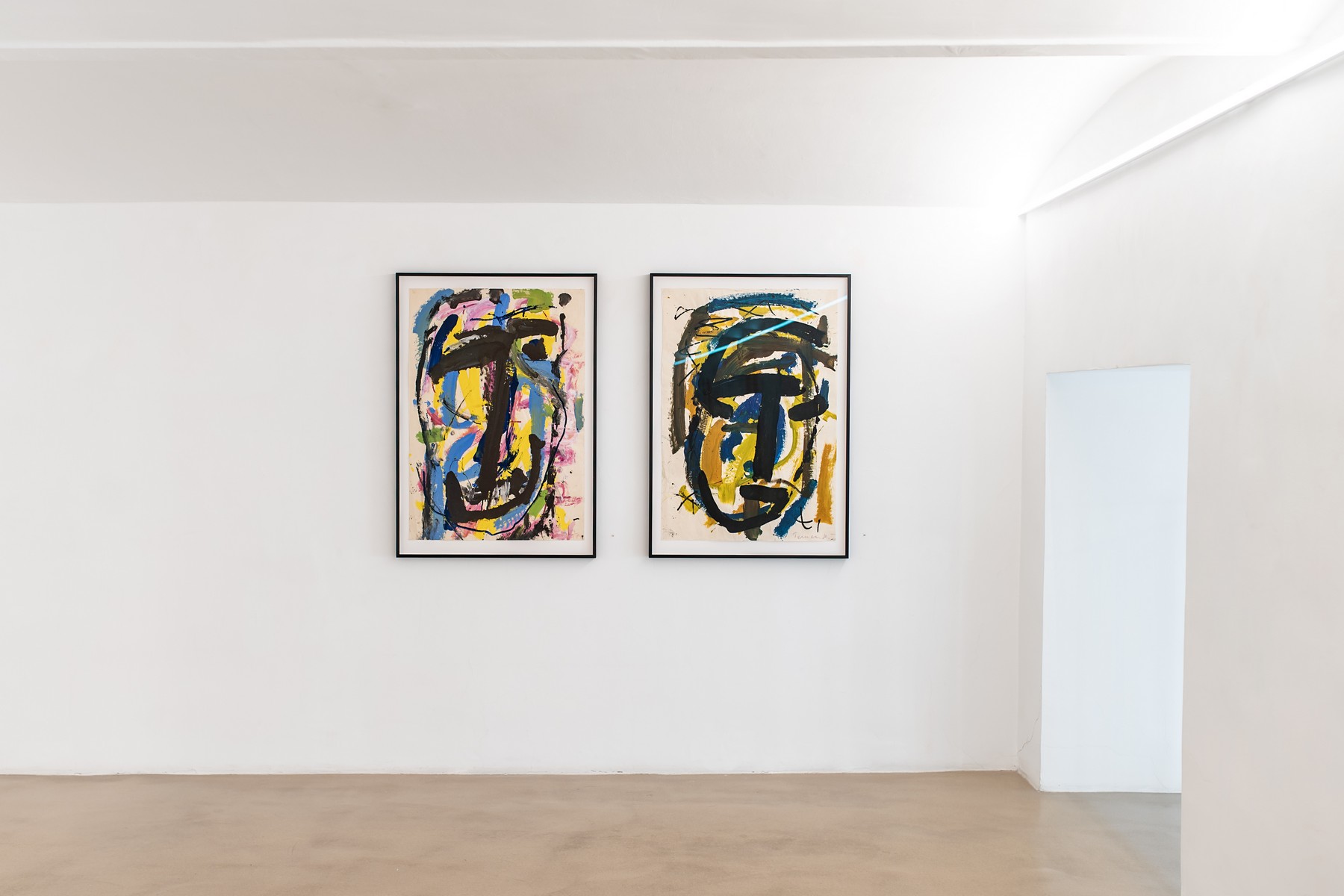
In his character paintings, Emil Toman initially subjects those close to him to an expressive process of abstraction. From there, his vigorous brushstrokes evolve into fictional facial landscapes that gradually transform into sign-like structures, heightening individual traits to an almost exaggerated degree. In a subsequent series, he reduces his characters to logo-like symbols.
Sculptor Walter Angerer-Niketa approaches his figures through reduction, abstraction, and deconstruction. Condensed to their essential minimum, they emerge as studies — a network of dynamic lines that seem to dissolve across the surface of the paper.
With only a few lines, Franz Blaas evokes distinct characters and emotional states. His spontaneous compositions balance a purist sense of immediacy with the elegant aura of ceremonial grandeur.
Wilhelm Drach’s work unfolds as a meditative dialogue with the canvas. Through colour, planes, and decisive brushwork, he shapes his visions into landscapes, figures, and characters. Beginning with reality, he transforms it into a highly personal form of expressive abstraction.
Judith P. Fischer’s "Family Constellation" encourages reflection on ancestry, family ties, and personal conflict. Family may be nurturing and reassuring, yet equally demanding, turbulent, and complex. Her works illuminate the emotional tensions and connections that define human relationships.
Represented by a single work in this exhibition, Roland Goeschl offers a compelling reflection on identity and connectivity. His Self-Portrait Without Skin, a delicate mesh of electrical wires, originates from a period in which he was deeply engaged with questions of global interconnectedness and transparency.
Ingeborg G. Pluhar’s work reveals nuanced reflections on mass culture and its imagery. Her series are rooted in her immediate environment, drawing inspiration from people close to her, such as André Heller, partner of her sister. Through the processes of cutting, deconstructing, and reassembling images, she interrogates the cultural climate of her era and creates a distinctive visual language informed by the feminist concerns of the 1970s.
Andrea Pernegr’s character landscapes emerge from her desire to give form to her imagined figures in a manner that is both comprehensive and metaphorical. These facial landscapes unfold as narratives of people in their everyday lives, with whom the artist playfully merges, creating richly layered images that blur the boundaries between portrait, landscape, and story.
Robert Staudinger operates at the threshold between digital photography and photorealistic painting. In his Surfaces series—portraits of models—he undertakes meticulous revisions of extreme enlargements, working centimetre by centimetre, pore by pore, hair by hair. In this process, lips become mountain ranges and irises vast oceans, emerging from the large-scale images with striking intensity.
In his character paintings, Emil Toman initially subjects those close to him to an expressive process of abstraction. From there, his vigorous brushstrokes evolve into fictional facial landscapes that gradually transform into sign-like structures, heightening individual traits to an almost exaggerated degree. In a subsequent series, he reduces his characters to logo-like symbols.